
Optimal Timing for Land Clearing
Land clearing involves removing trees, brush, and debris to prepare a site for construction, agriculture, or development. Timing is crucial to maximize efficiency, reduce costs, and ensure safety. The optimal time for land clearing varies based on climate, soil conditions, and project scope.
Spring offers favorable weather conditions, with moderate temperatures and increased daylight, making it suitable for land clearing projects before the growing season begins.
Summer provides long daylight hours and warm weather, ideal for extensive clearing work. However, high temperatures and potential storms can pose challenges.
Fall is suitable for land clearing as temperatures cool down, reducing heat stress on workers and equipment. It also allows time for site stabilization before winter.
Winter is generally less ideal due to frozen ground and adverse weather conditions, but in milder climates, it can be a good off-season option to avoid project delays.
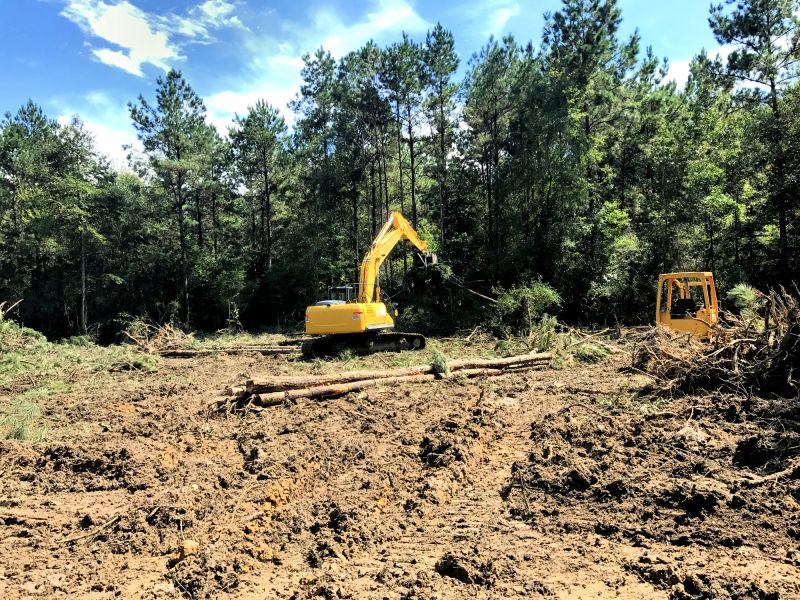
Heavy machinery like bulldozers and excavators are used for efficient land removal tasks.

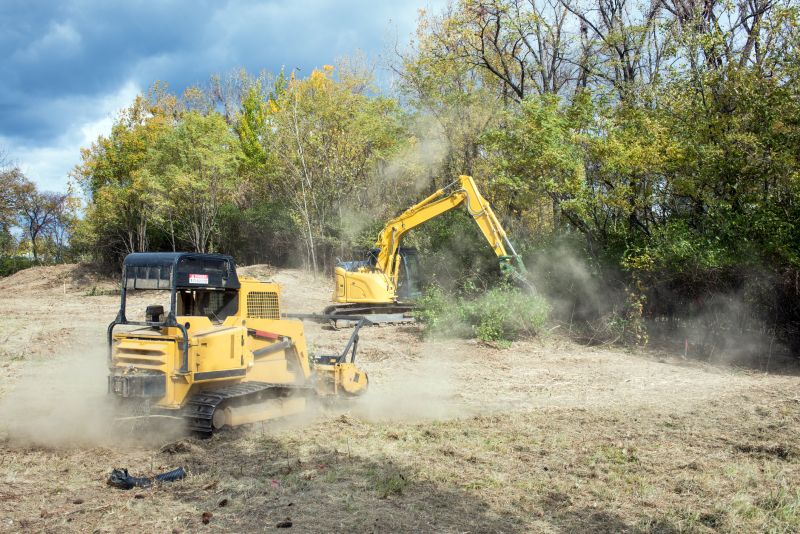
Trees are carefully cut and removed to prepare the land for development.

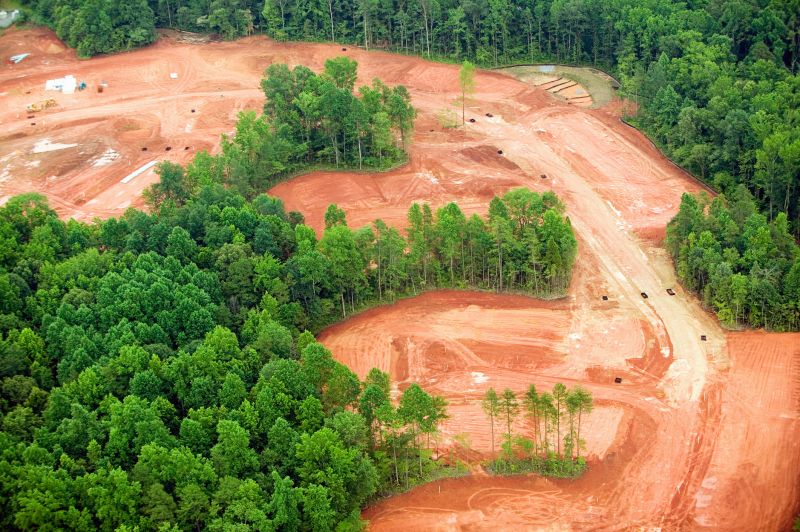
Cleared land ready for construction or agricultural use.
Ways to make Land Clearings work in tight or awkward layouts.
Popular materials for Land Clearings and why they hold up over time.

Simple add-ons that improve Land Clearings without blowing the budget.
| Season | Best Conditions |
|---|---|
| Spring | Moderate temperatures, increased daylight, ideal for early projects. |
| Summer | Long days and warm weather, suitable for large-scale clearing. |
| Fall | Cooling temperatures, good for site stabilization. |
| Winter | Frozen ground in some areas, less suitable unless in mild climates. |
Effective land clearing requires careful planning to align with seasonal conditions. Proper timing can reduce delays caused by weather, improve safety, and enhance project outcomes. Soil conditions, vegetation type, and project deadlines all influence the ideal timing for clearing activities.
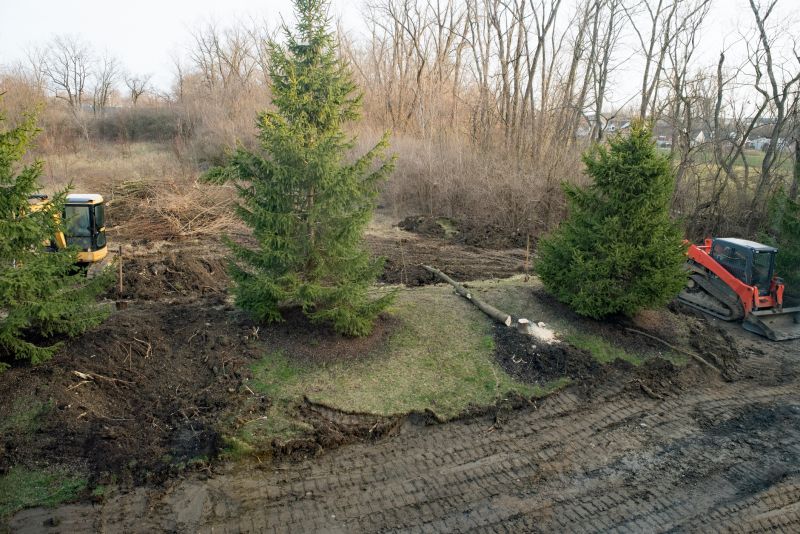
Heavy machinery working on land removal.

Trees and brush being cleared from the site.
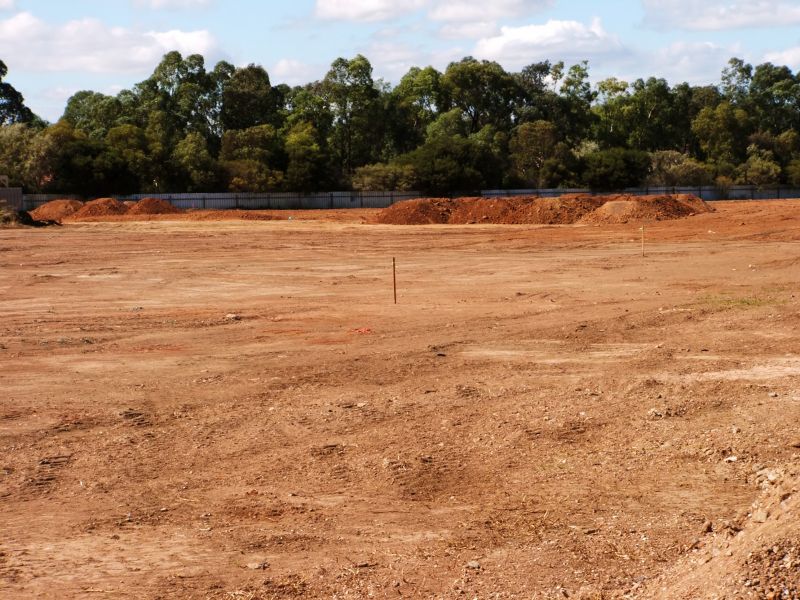
Site prepared for development.

High-end options that actually feel worth it for Land Clearings.

Finishes and colors that play nicely with Land Clearings.
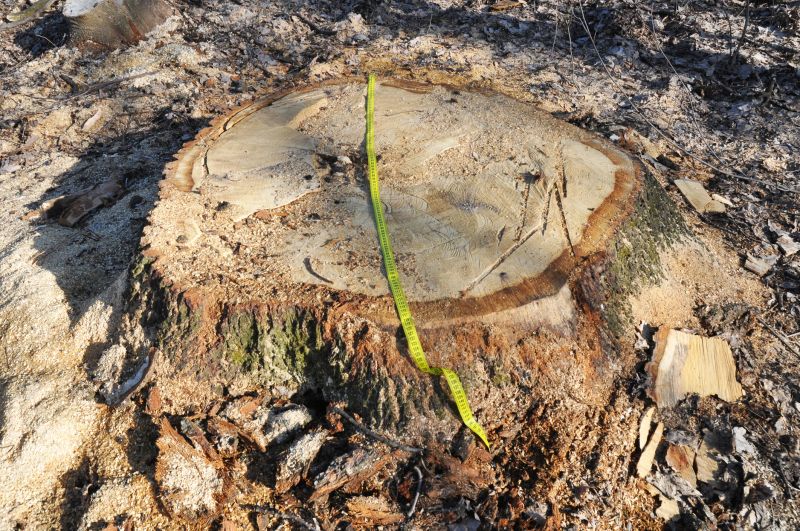
Little measurements that prevent headaches on Land Clearings day.
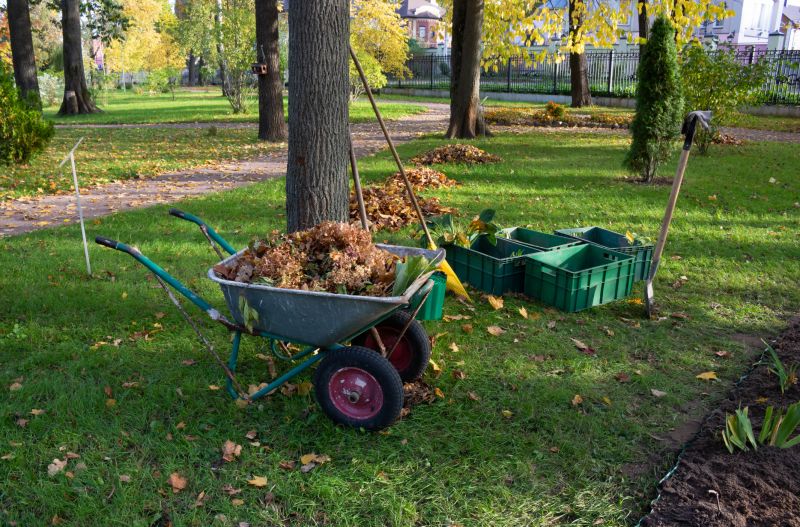
A 60-second routine that keeps Land Clearings looking new.
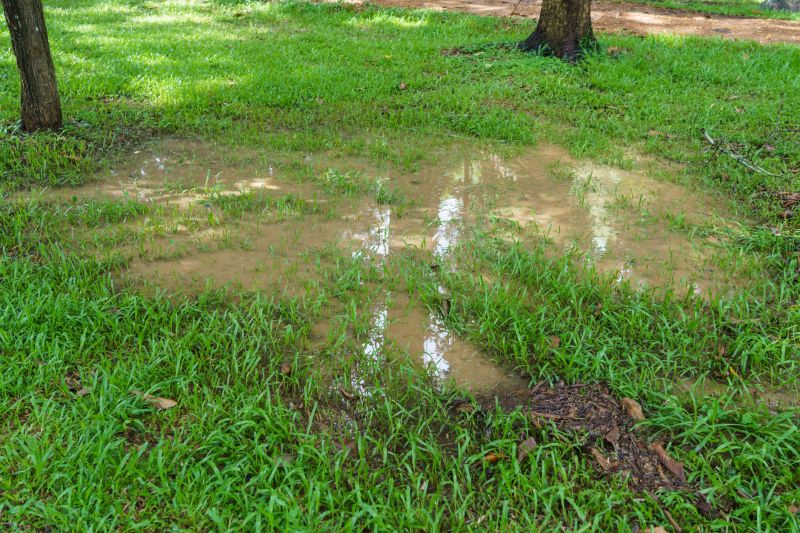
A frequent mistake in Land Clearings and how to dodge it.
Timing land clearing activities appropriately can lead to cost savings and improved safety. Consulting with land management professionals can help determine the best period for specific project requirements based on local climate and terrain conditions.
Those interested in land clearing services should consider scheduling during the most suitable seasons to ensure efficiency and safety. Proper timing minimizes project delays and optimizes resource use, leading to smoother project execution.